 Red Flag
Money before work
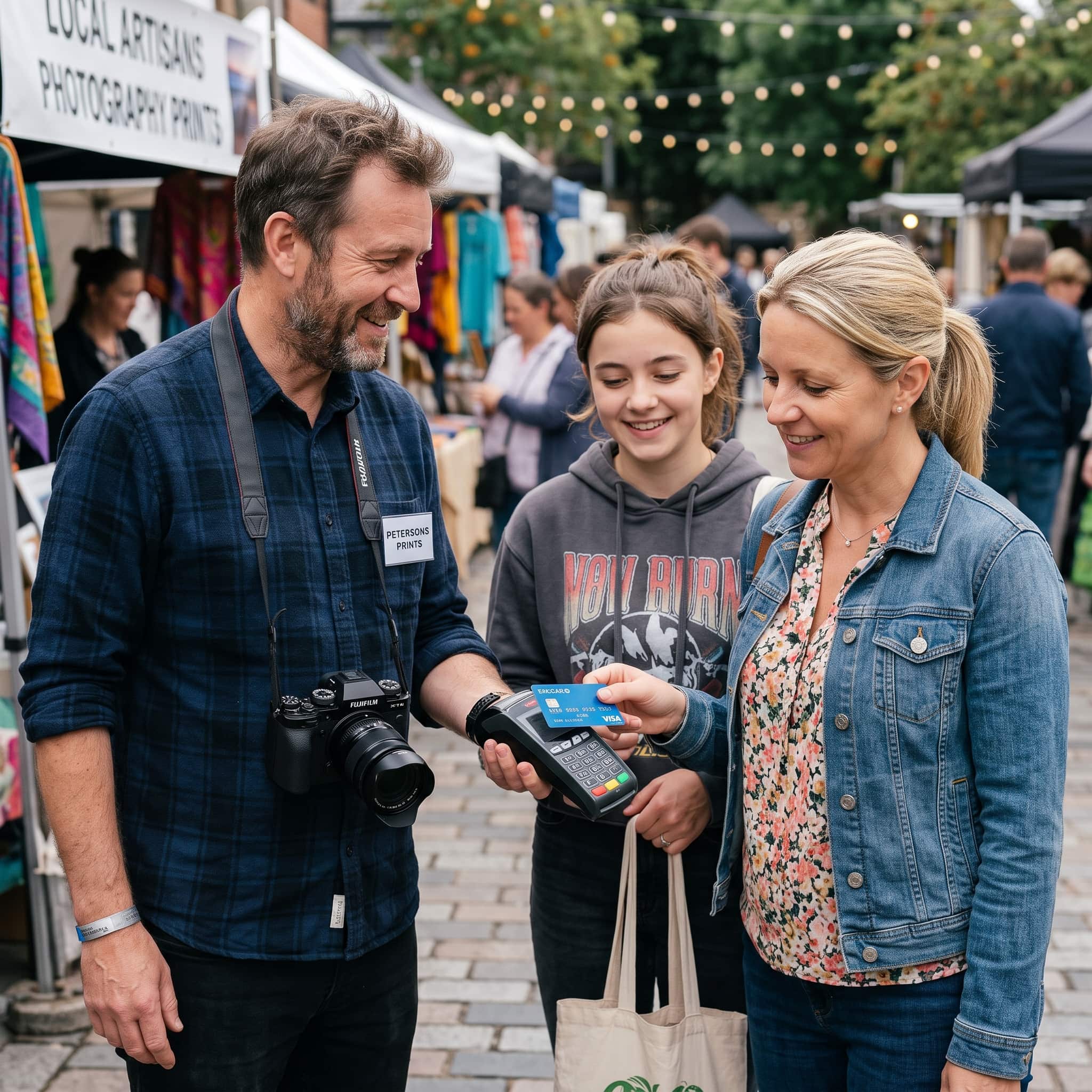
You're asked to pay for "registration," a portfolio shoot, a comp card, or a course before you've been offered any actual paid work.
A free, independent guide — no fees, no forms, no catch
Good. Here's the honest version: how the industry actually works, the tricks the scammers use, and exactly who to talk to instead of us.
Modelling is a real job. It is also one of the easiest industries in the world to fake.
If you've searched "I want to be a model," you've probably already found dozens of websites, agencies and "talent scouts" promising to make it happen. Some are genuine. A lot are not.
This site was built by someone who used to run a modelling agency. It isn't selling anything, it isn't collecting your details, and it isn't trying to sign you up. It exists to do one thing: help you tell the difference between a real opportunity and a con, before it costs you money, photos, or worse.
Most visitors here are teenagers between 13 and 18 who've been messaged online or spotted a casting call. Some are adults exploring catalogue, commercial or "real people" modelling later in life. Whoever you are, the same rules apply.
None of these automatically mean you're being scammed. But a genuine agency will never give you more than one or two of these at once — and a scam almost always gives you several.
Red Flag
You're asked to pay for "registration," a portfolio shoot, a comp card, or a course before you've been offered any actual paid work.
 Red Flag
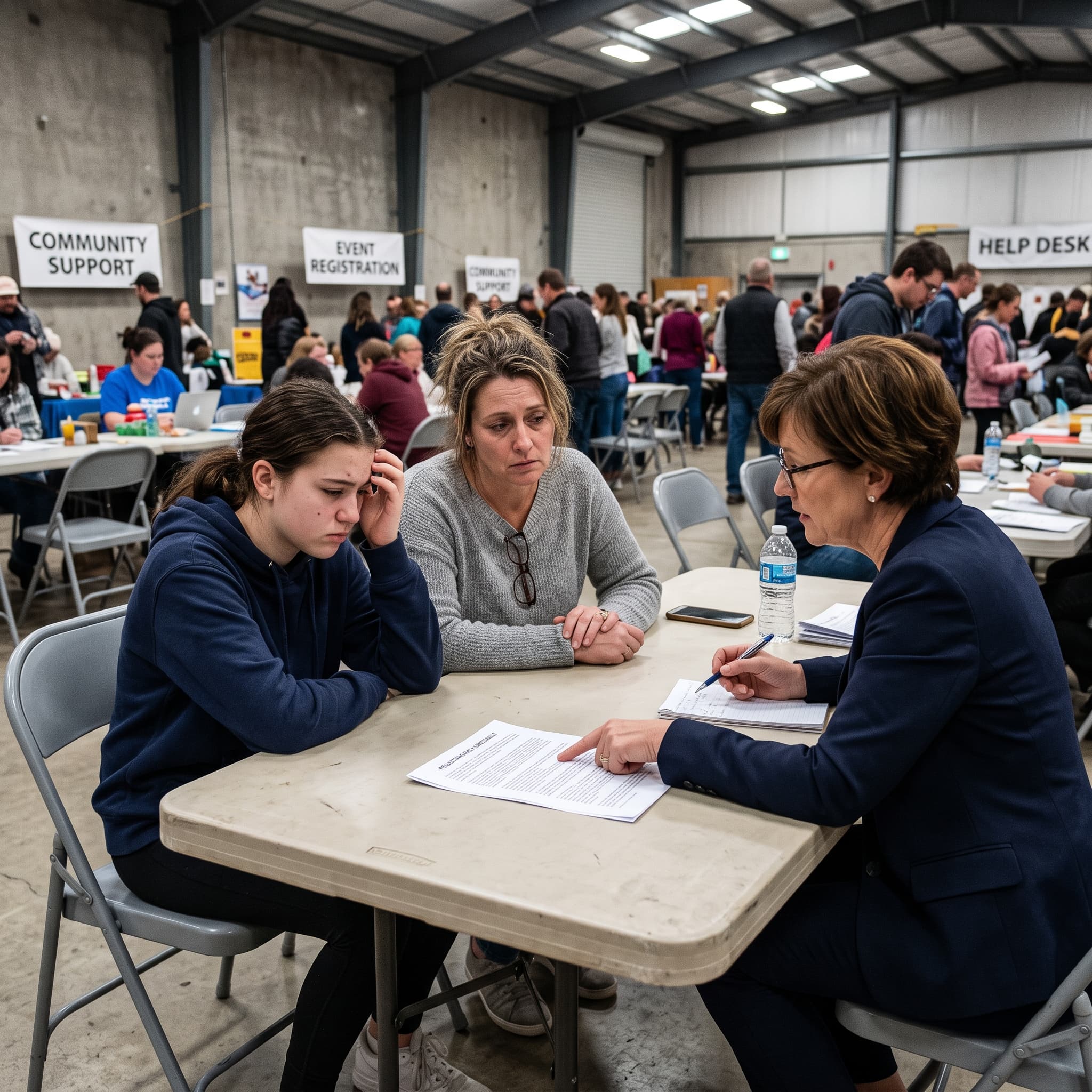
Pressure to sign, pay or commit immediately, with no time to research the company or show anyone else what you've been sent.
 Red Flag
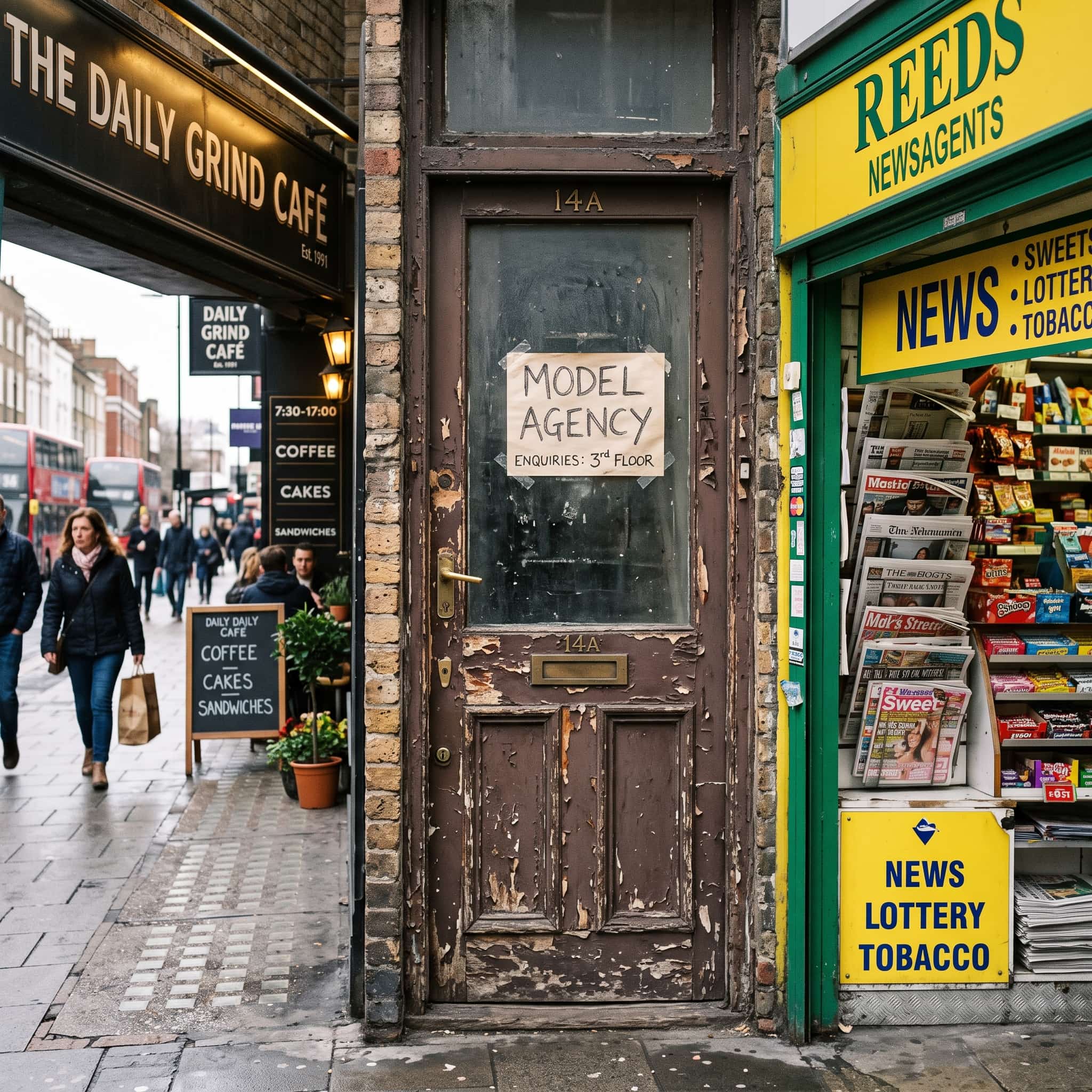
No real office address, no landline, no company registration, no clients you can actually find. Just a social media page and a messaging app.
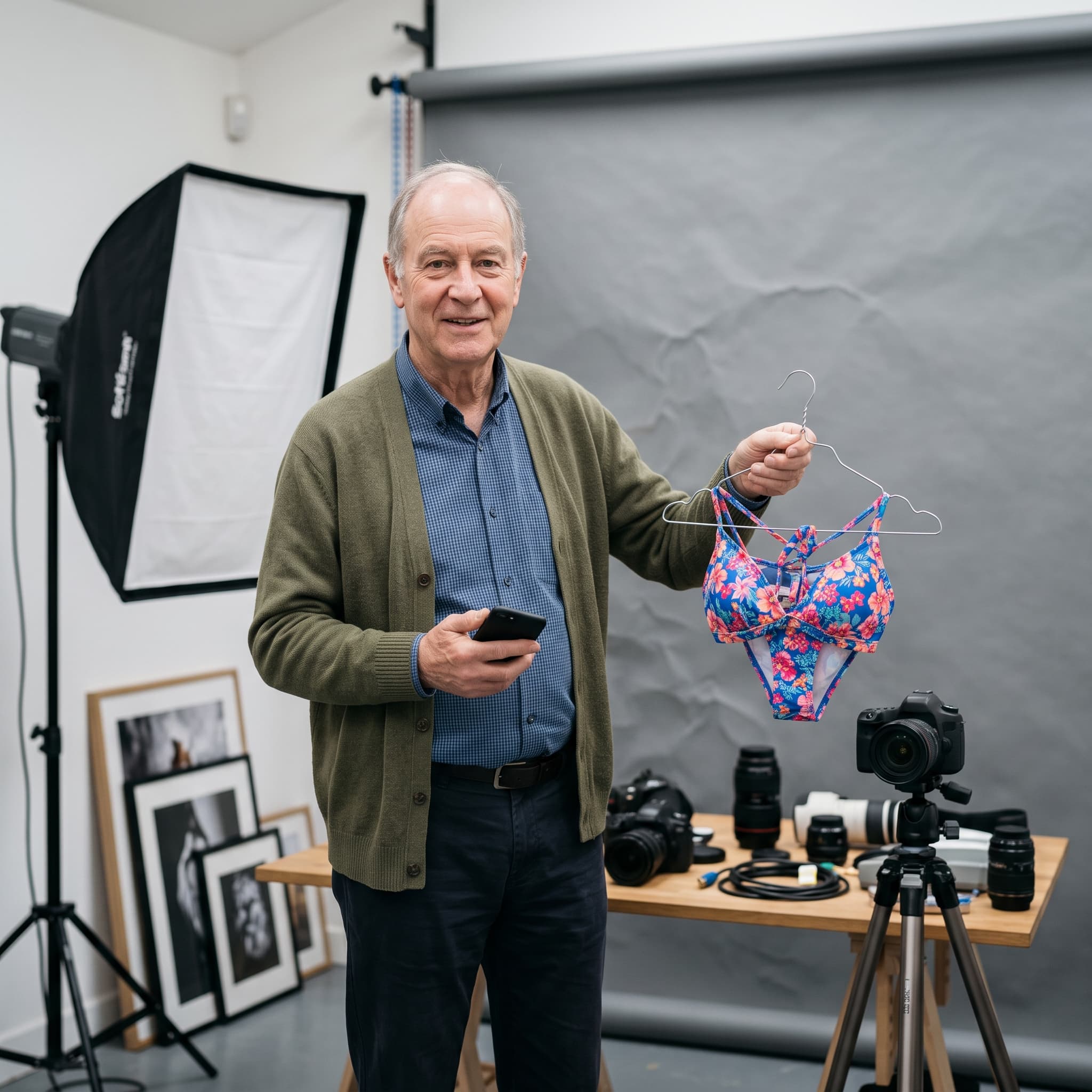 Red Flag
Early requests for "test shots" that gradually push for more revealing images, done privately, outside of any proper studio.
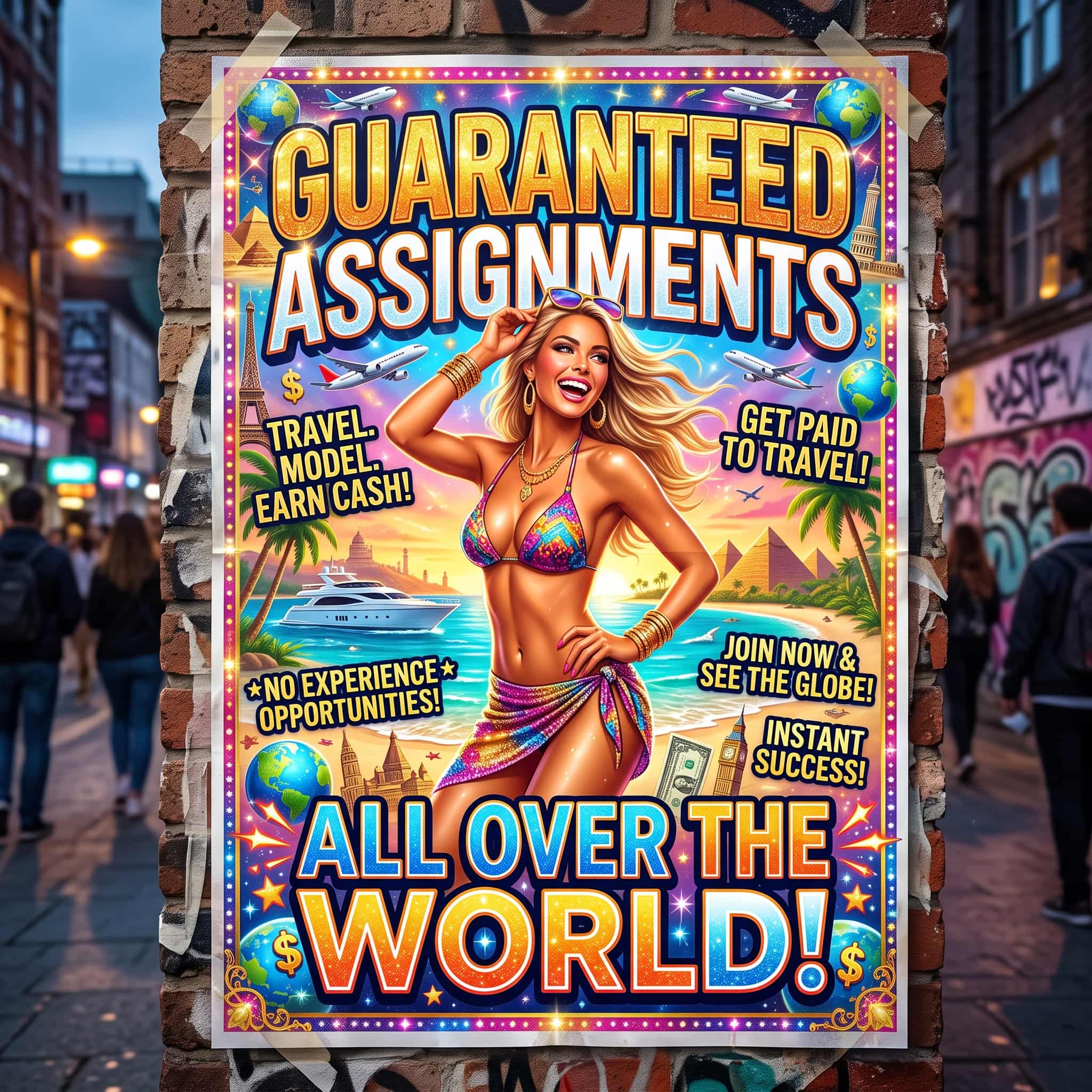 Red Flag
No legitimate agency can guarantee you work, a campaign, or a fixed income. Modelling is commission-based and unpredictable, always.
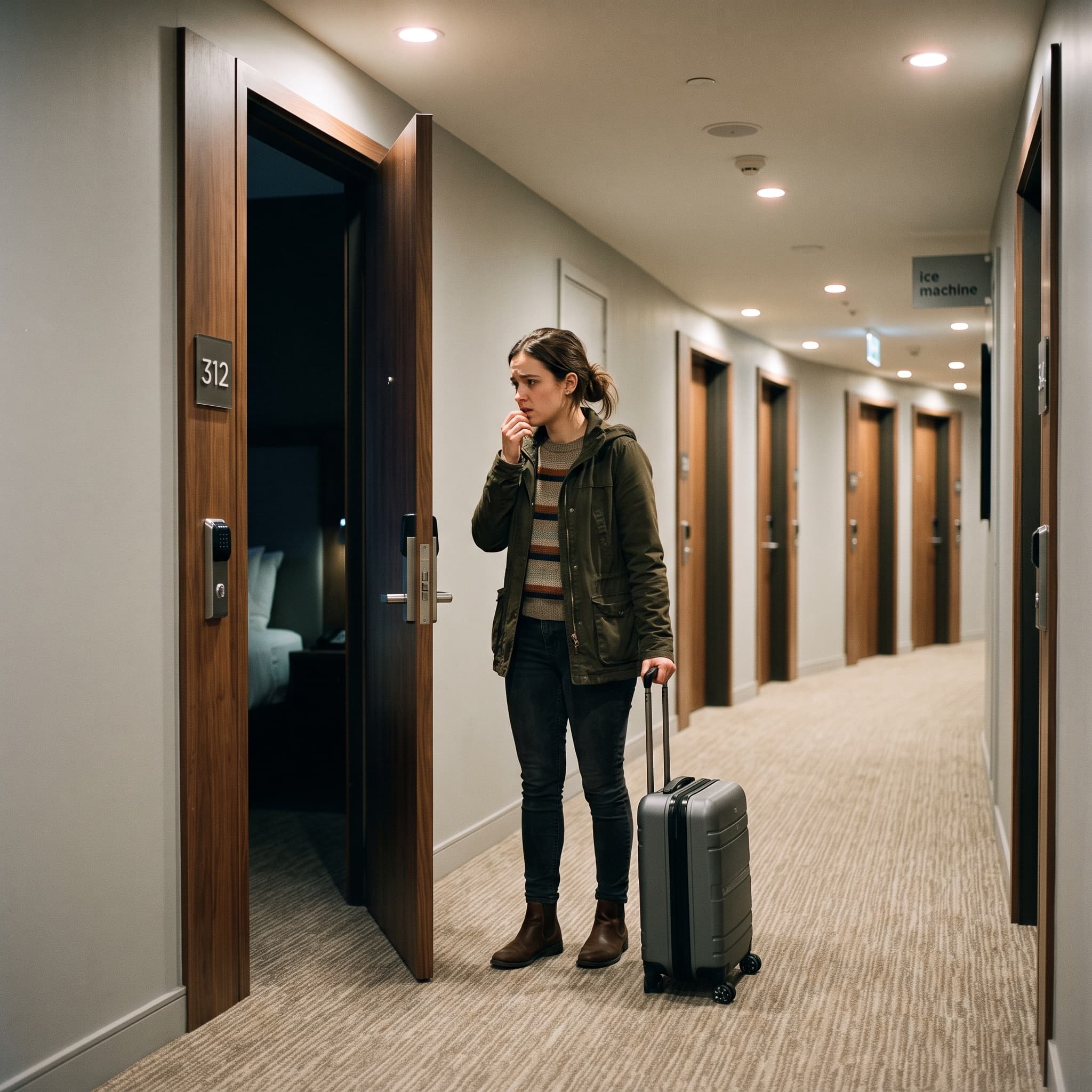 Red Flag
Being asked to meet alone at a hotel room, private flat, or anywhere that isn't a normal, staffed place of business.
These aren't hypothetical. They're the same handful of tricks, recycled endlessly under different names.
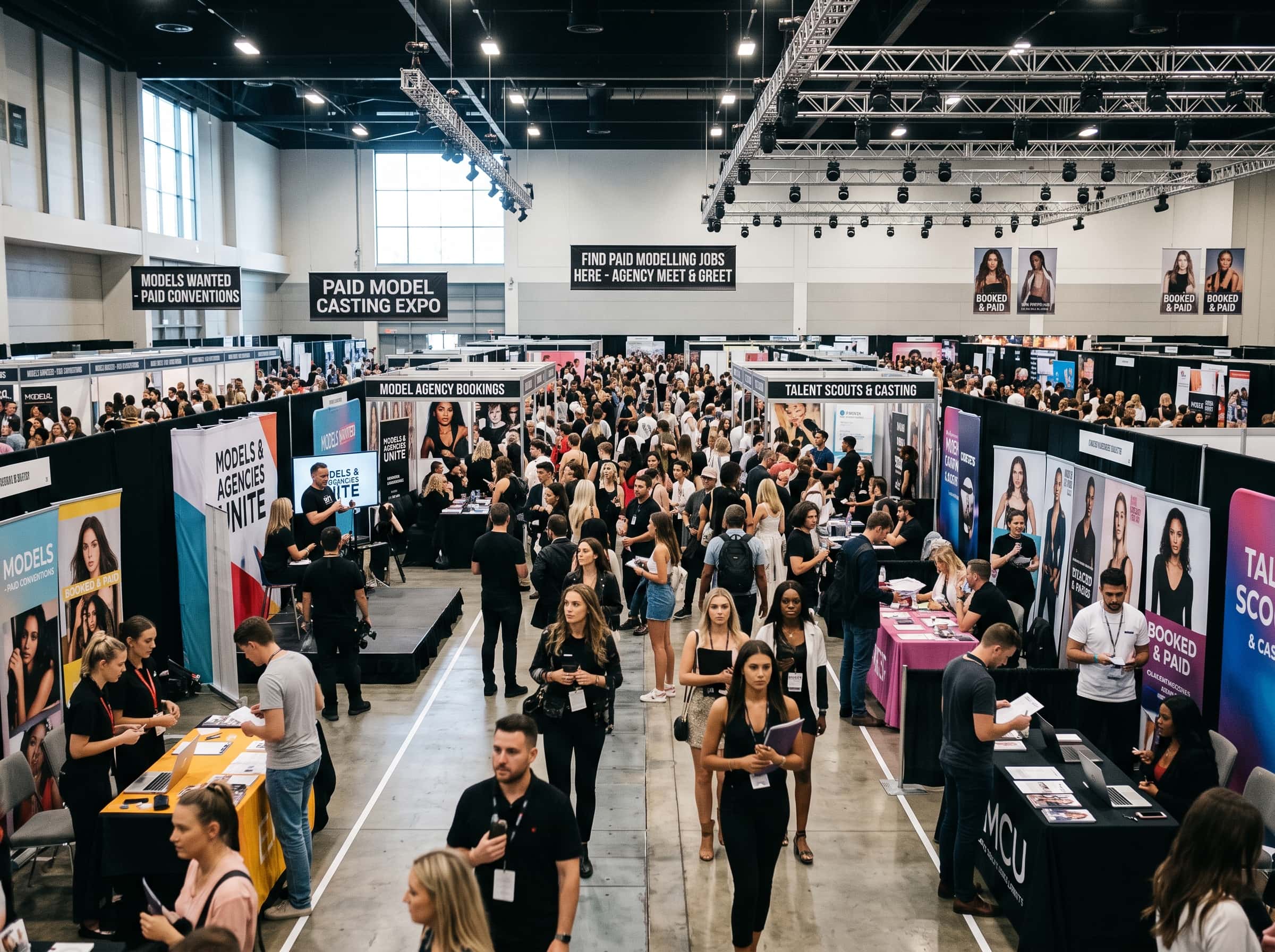
You're invited to a big event where "top agencies and casting directors will be watching." Attendance, workshops or a place in the final showcase cost hundreds of pounds.
Real casting directors do not need to charge hopefuls admission to find talent. If an event's business model is ticket sales rather than bookings, it's an events company, not a modelling opportunity.
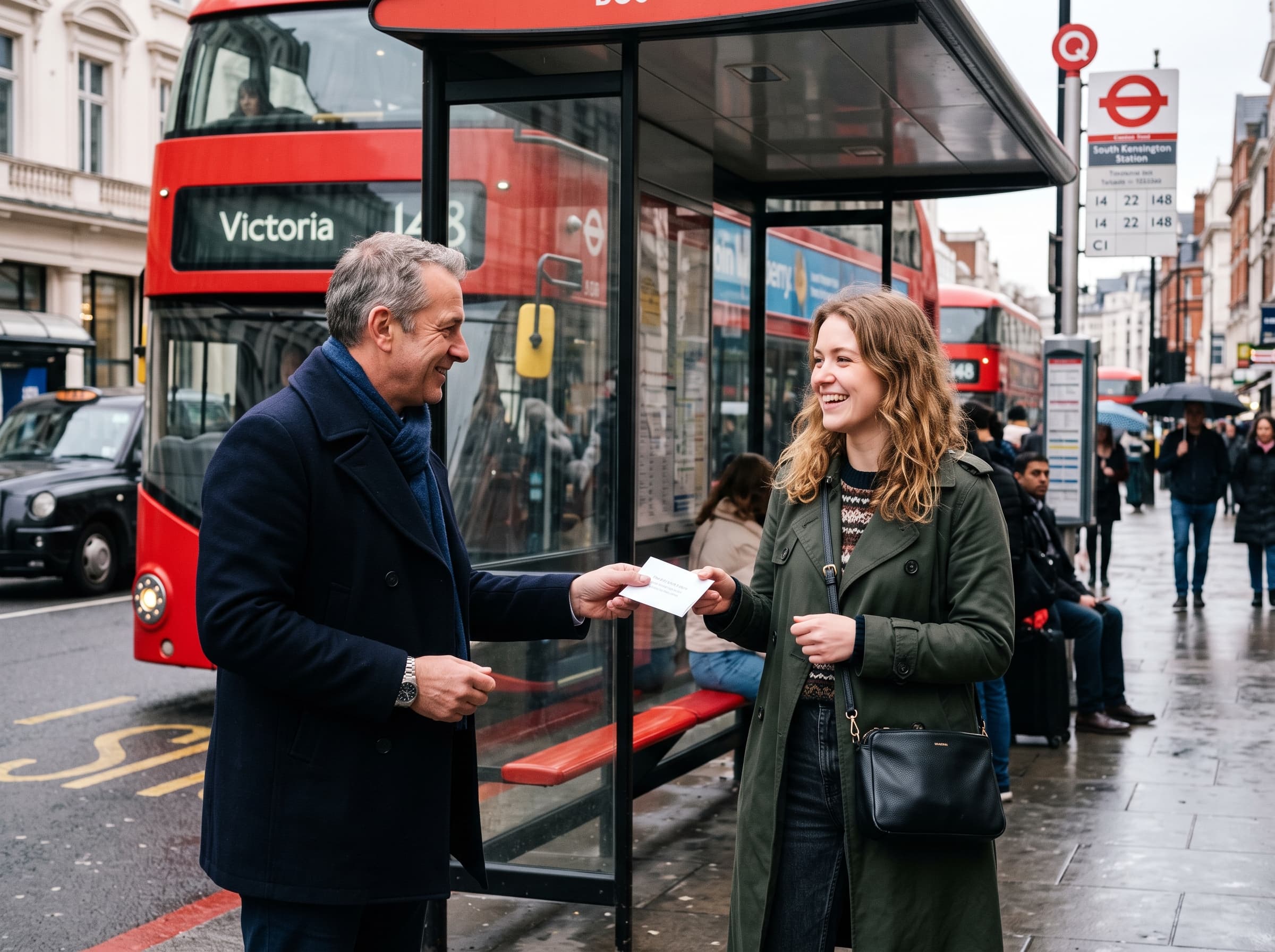
A message out of nowhere: "You have the look we're after, we'd love to sign you." It often leads to a private chat app, then to a request for a paid "starter shoot" with a specific photographer.
Genuine scouts do work this way sometimes, but they never charge you, never rush you, and are happy for you to check them out first. If they discourage you from telling a parent or doing your own research, stop replying.
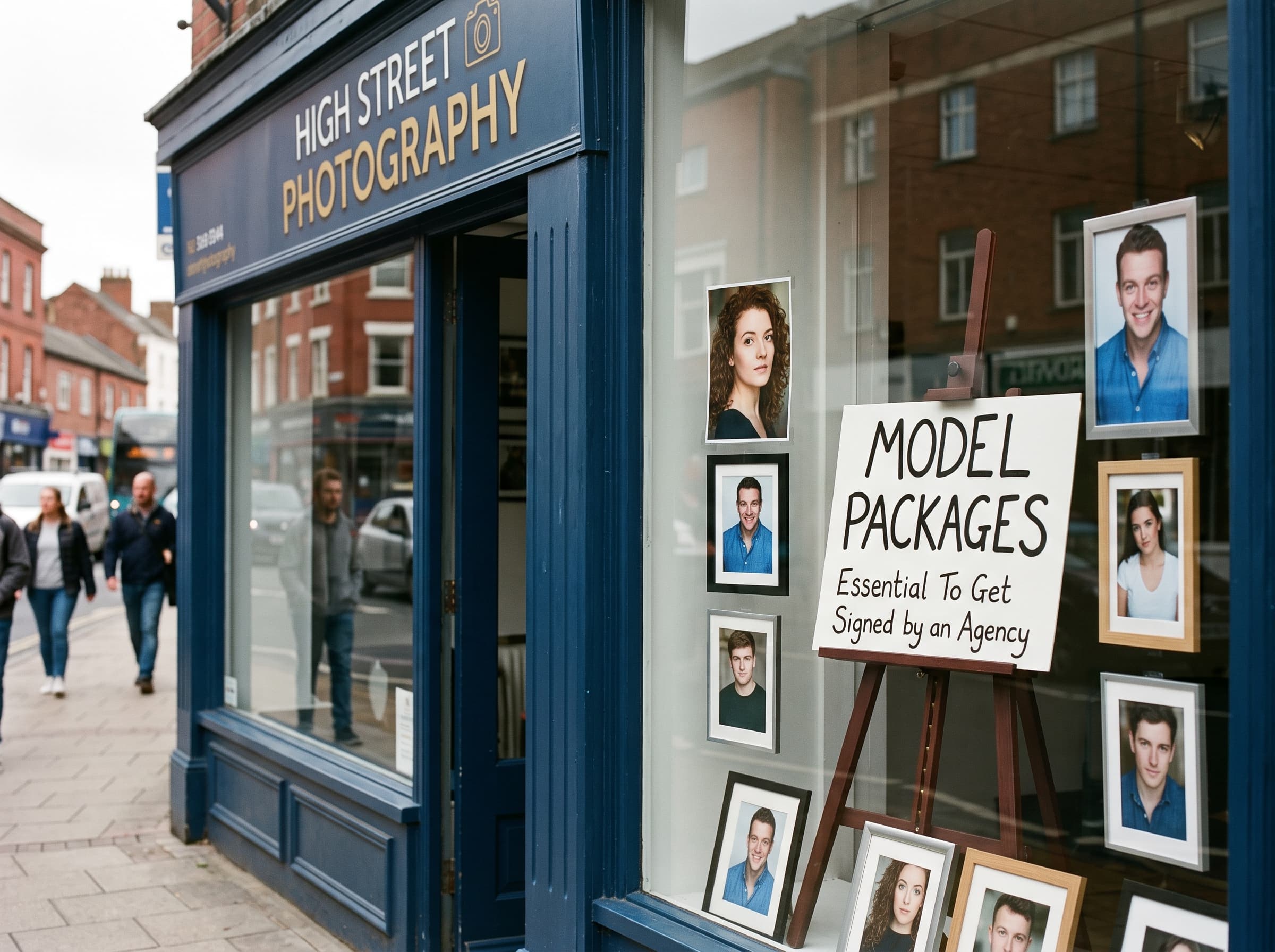
A photographer, not an agency, offers a "professional modelling portfolio" for a fixed fee, sometimes framed as essential for getting signed. The photos are often mediocre and no agency ever sees them.
If you do want photos taken, that's a photography purchase, not a step into an agency. Treat it exactly like buying any other service, and never one bundled with a promise of representation.
This is the other side of the coin. Every point below is standard, ordinary practice at a legitimate agency.
They earn commission, not fees. Agencies make money when you get paid work, usually 15–20%, deducted from your earnings, not charged upfront.
They have a real, findable office. A landline, a proper address, and a companies register listing you can check.
They welcome scrutiny. Happy for you to research them, bring a parent or guardian, and take your time before signing anything.
They use simple, current photos. Natural light, minimal makeup, no expensive shoot required to be considered.
They set clear boundaries. Chaperone policies for under-18s, professional conduct on set, and no private, unscheduled meetings.
They're honest about the odds. No guarantees of fame or income, because nobody can honestly promise you either.


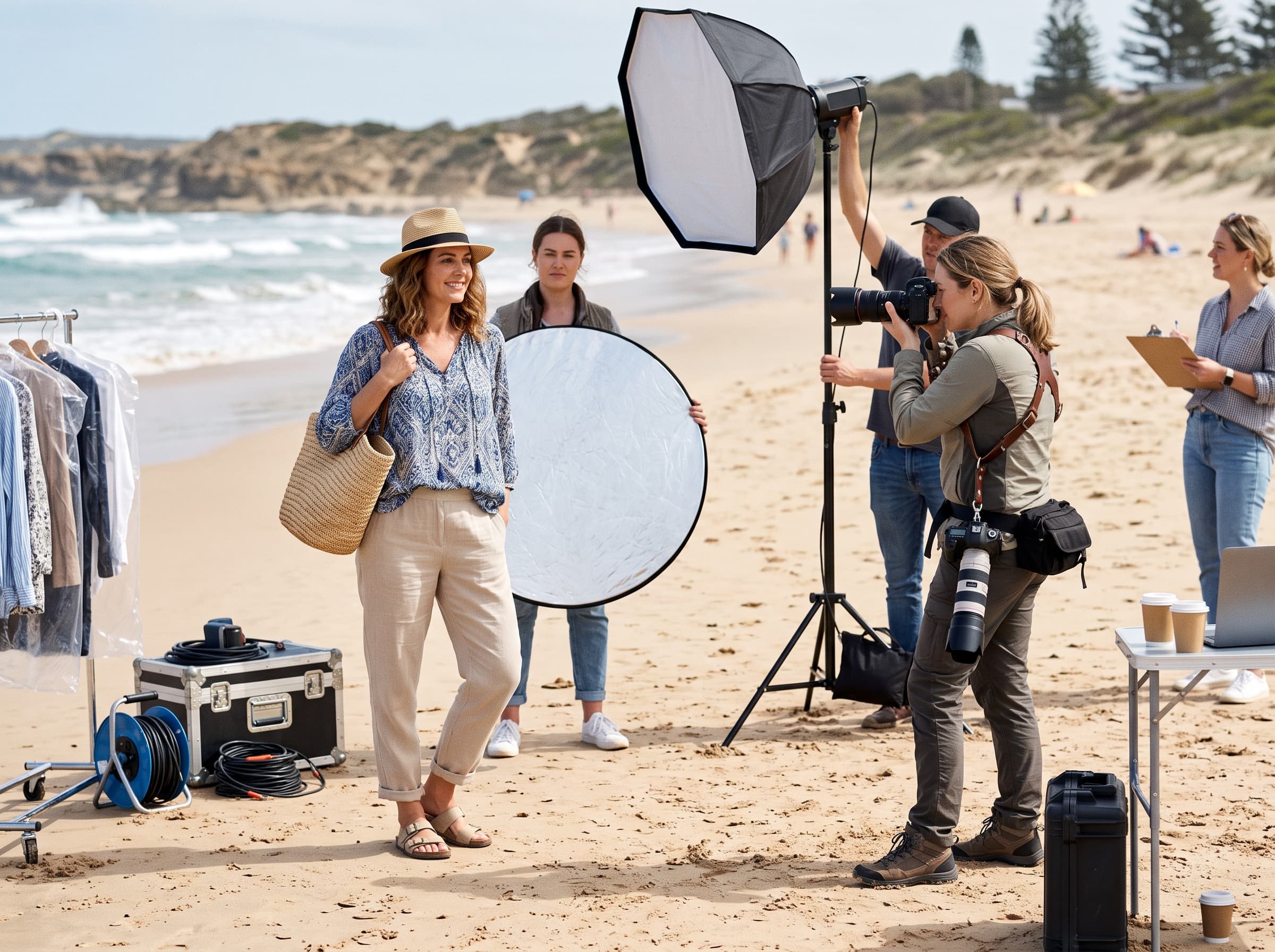
Catalogue, commercial and "real people" modelling is a genuine, growing part of the industry, and age is rarely a barrier the way people assume. The same rules apply exactly as above: no upfront fees, no pressure, and a real, checkable agency.
Specialist agents exist for older and character models. They're found the same way as any other legitimate agency: through the trade bodies listed below, not through a cold message promising instant success.
We don't take enquiries and we're not an agency. These organisations are who you should actually be talking to.
The UK trade association for fashion model agents. Check whether an agency approaching you is a genuine, accountable member.
bfma.fashionThe official UK regulator for modelling and entertainment agencies. Report an agency, or check the rules they must legally follow.
gov.uk / EAS InspectorateThe UK's national reporting centre for fraud and cyber crime. Report a scam agency, fake shoot, or payment request here.
actionfraud.police.ukPart of UK policing. Report anyone online who has made you uncomfortable, pushed for photos, or tried to arrange a private meeting.
ceop.police.uk/safety-centreFree, confidential advice and support for anyone under 19, by phone or online chat, any time of day.
childline.org.ukFree, independent guidance if you're unsure about a contract you've been asked to sign, or money you've already paid.
citizensadvice.org.ukIf you're in immediate danger, always call 999 first. The organisations above are for advice, reporting and support once you're safe.